Mangrove Boardwalk (Kuala Selangor Nature Park)
📍 Kuala Selangor, Selangor
Is this your venue? Claim this listing →
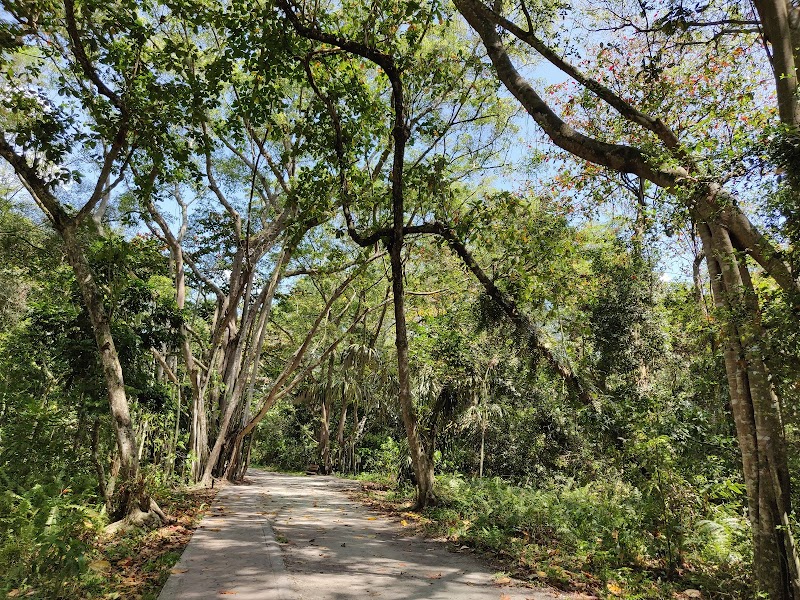
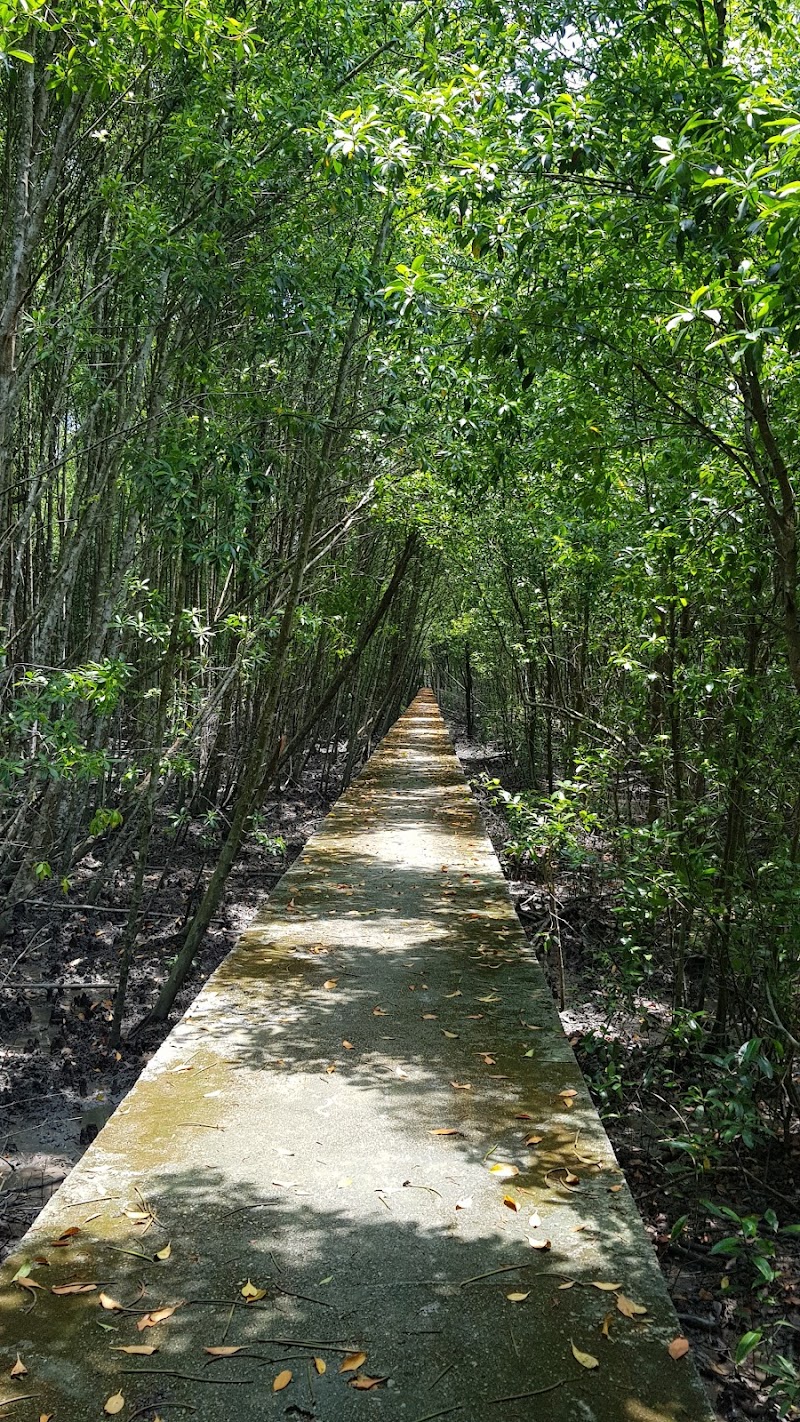
A guided boardwalk trail through mangrove ecosystems at Kuala Selangor Nature Park, with wildlife including monkeys, crabs, mudskippers, and birds visible from the elevated walkway.
🏆 Family Action Verdict
Best for families with school-age children who enjoy quiet nature observation. Early morning visits deliver cooler temperatures, better birdlife activity, and softer light. Families travelling more than 30 minutes should confirm the gate is open before departing - recent reviews report closures without notice.
ℹ️ What to Know Before You Go
💬 What Families Are Saying
View all reviews →28 Google reviews
G Reviews from Google
Marc
3 years ago
“The best time to visit the mangrove is early in the morning to enjoy the morning colors, the aquatic and ornithological fauna. It was a nice moment. There are toilets at the entrance. You have to take the path on the right because the one on the left leading to the chalets is crossed out. Many monkeys will be there to greet you. Minus: the staff should clean this protected area from all the plastic barrels and bags.Too bad there are no more benches towards the entrance. First of all, you need to remember there are 3 mangroves zones with different trees depending on location (Africa, South of America, Caraibe, Asia, etc.) 1) The mangrove this seaside populated by Sonneratia and Avicennia, which Avicennia Marina are very resistant to salinity; They develop by the sea and are the first to grow in the mangrove. 2) Rhizophora, of which the rhizophora mucronata then developed back, forming a barrier of often practically impenetrable roots where clouds of mosquitoes and multiple insects swarm, sometimes magnificent bioluminescent fireflies. In other countries emerge a few black paletviers (avicennia germinans), white paletviers (laguncularia racemosa) and gray paletviers (conocarpus erectus) according to the level soil salinity. 3) Finally the high mangrove with different Bruguiera, including the bruguiera gymnorhiza even further back and up to the land as well as the Nypa fruticans palm along the muddy rivers. We should also be able to find in this part of the mangrove herbaceous and epiphytes plants, such as the Amaranthe seaside (philoxerus vermicularis), bromeliaceae such as pineapple-bois (Wittmakia lingulata). Alas I did not observe this biodiversity, hence my question: where the money invested by the corporate social responsibility (CSR) left?”
David “The Explorer” Hogan Jr
3 years ago
“Vert Beautiful place! But I would give 5-Stars if they stop doing the "Drama CSR" campaigns by the various companies. First off all, the soil does not support the type of mangrove trees they are planting, so when they get big, they topple. Next, the CSR by so many companies keeps the staff cutting down more mangrove in order to have space for planting new ones. Please la, don't try to show that you're so concerned about saving the earth and then drama here so you can take photos and out up your board. You want to show your genuine corporate responsibility? Go and do it other ways. Don't come here and alang-alang macam you care. This mangrove boardwalk is just beautiful by itself. If they didn't cut down all the trees, the place would be so beautiful.”
Juzar Mustan
4 years ago
“Great way to spend early mornings before the mid-day sun is up. Catch a glimpse of mangroves with their varied root systems and the small crustaceans, birds and monkeys that inhabit this place. If you’re patient and alert, you’ll see much more and be thrilled.”
💬 What parents mention
Overview
The Mangrove Boardwalk at Kuala Selangor Nature Park runs through a coastal mangrove system with varied root structures and tidal wildlife. Monkeys are reliably visible, and patient visitors spot birds, small crustaceans, and mudskippers. Take the right-hand path from the entrance - the left path leads to closed chalets. Recent visitors report access issues including closed gates; verify current status before travelling. Toilets are available near the entrance.