Museum of Asian Art
📍 Kuala Lumpur, Kuala Lumpur
Is this your venue? Claim this listing →
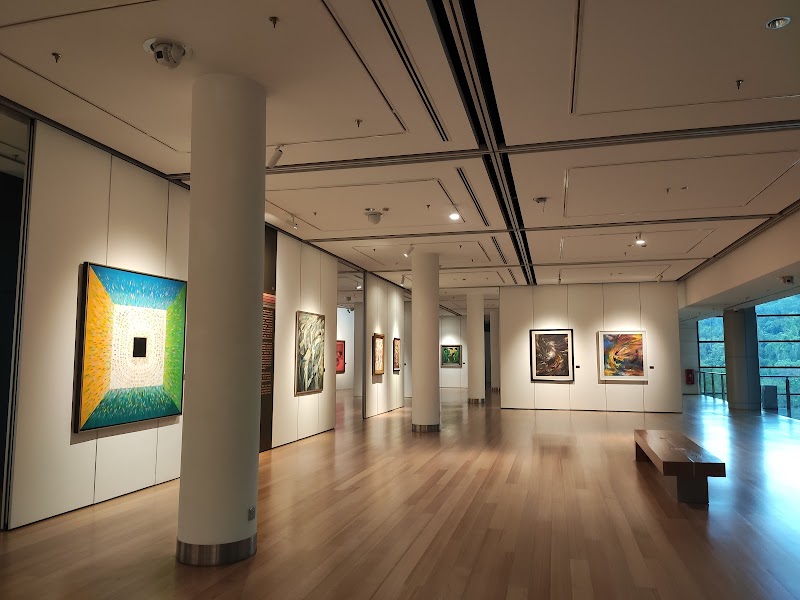
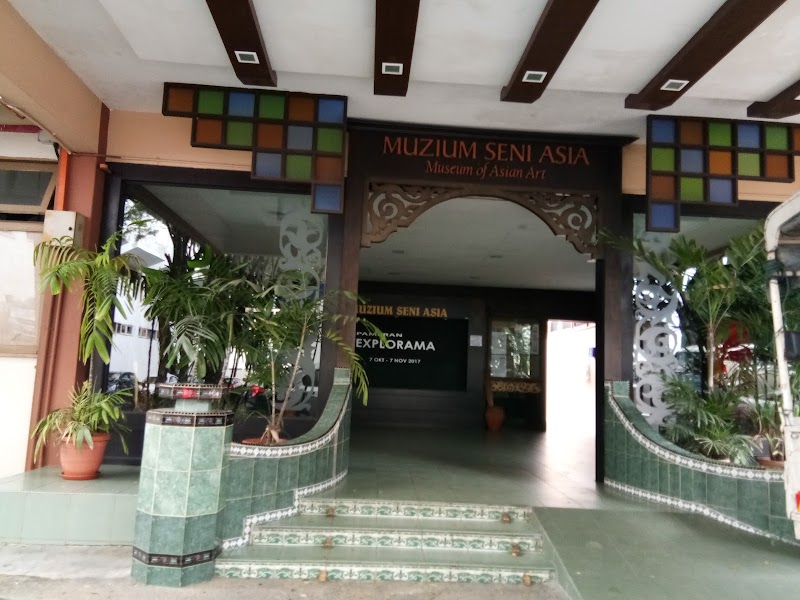
Compact museum at Universiti Malaya with an internationally significant ceramic collection, including pottery over 1,000 years old. Free entry. Visitor parking is sparse and signage is minimal.
🏆 Family Action Verdict
Best for school-age children with an interest in history, ceramics, or Southeast Asian culture. The educator-led explanations translate complex history into accessible storytelling. Free admission removes the cost barrier. Plan for a focused one-to-two hour visit rather than a full-day outing.
ℹ️ What to Know Before You Go
💬 What Families Are Saying
View all reviews →147 Google reviews
G Reviews from Google
Lee Yaa
9 months ago
“Hard to get parking. No signage for visitor parking. Nearest open parking beside bus stop. Walking around 5 mins.”
Shaiful Shahidan
a year ago
“One of the best university museum in Malaysia. Their collection of kendi (spouted pouring vessel) is the biggest in the world. Priceless ceramic collections. A must visit in UM.”
Evv2
5 years ago
“Museum of Asian Art located in University of Malaya's area. The museum educator explained well about history and things inside. Displays are pretty good”
💬 What parents mention
Overview
Museum of Asian Art at UM holds the world's largest collection of kendi - traditional Malay spouted pouring vessels - alongside ceramics spanning more than a millennium. Museum educators explain exhibits in detail. Displays are well-presented and genuinely educational. Visitor parking is scarce; the nearest open bay is beside the bus stop, a five-minute walk away.